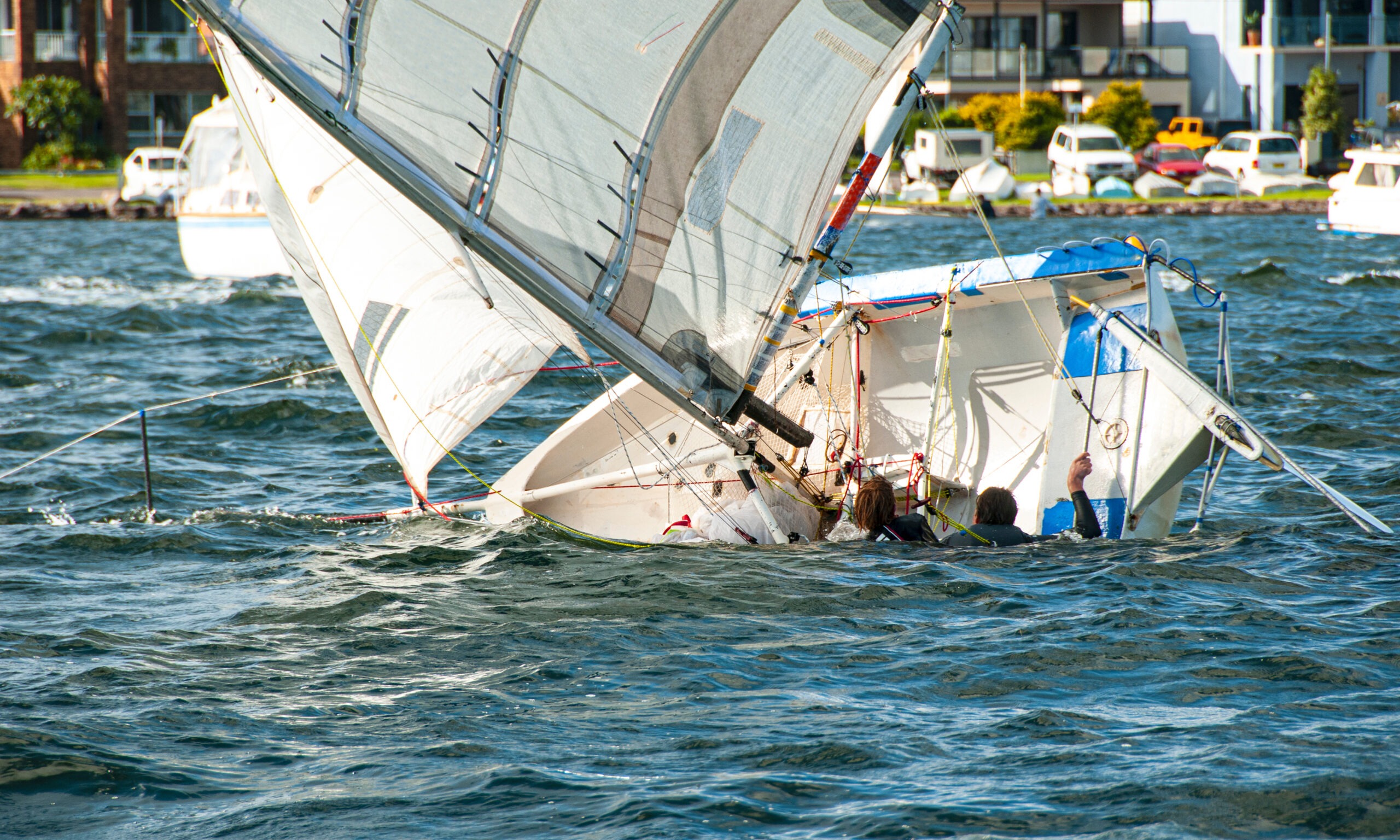
Statistics highlight the risks associated with recreational boating. In Arkansas alone, 17 people died while boating in 2025, and another 73 were involved in a boat accident, as reported in the commission’s 2025 Year-End Boating Accident Report.
According to the United States Coast Guard News, alcohol continued to be the leading known contributing factor in fatal boating accidents in 2024, accounting for 92 deaths, or 20% of total fatalities.
Boating accidents can lead to serious injuries, property damage, and even loss of life, often leaving victims unsure of what steps to take next. In addition to physical injuries, boat accidents can cause emotional trauma, financial hardship, and other problems, according to boating accident attorney Lawrence Falzon.
Whether caused by operator negligence, equipment failure, or hazardous water conditions, these incidents can raise complex legal questions involving liability and compensation.
Understanding your legal options after a boating accident is essential for protecting your rights, recovering damages, and holding responsible parties accountable.
Understanding Boating Accident Liability
Responsibility assessment in boating accidents needs three key steps, which include identifying the responsible party and proving the accident driver and assessing the financial compensation that the injured person deserves. Determining liability depends on the actions of boat operators and their violations of boating regulations and the existing weather conditions.
The other party may face liability for the accident if they operated their vehicle at excessive speed while violating safety regulations. The courts will assign responsibility for the accident to those who were accountable for the incident.
According to https://www.bleamanlawfirm.com/, the person who causes a boat accident must cover all costs that result from the accident, similar to their responsibilities in other vehicle accidents.
Dispute resolution systems and damage compensation policies typically exist. Your understanding of rights becomes essential for protecting your financial stability.
Gathering Evidence and Documentation
Collecting evidence and creating records after a boating accident needs to occur because it establishes the foundation for constructing a winning legal argument. Take pictures of the accident site and any damage to your or other vessels.
The process requires you to obtain witness statements together with their complete contact details because their accounts will support your case. The police report should be requested as soon as possible because it contains vital details regarding the incident.
You must keep track of your medical conditions and treatments together with all your financial records. You must create a complete record of all accident expenses which should include both car repair expenses and your lost income.
You should maintain full documentation of all letters and emails that you send to others and that you receive from them. Your upcoming legal actions require this information as essential evidence.
Filing an Insurance Claim
The moment you gather complete evidence for your claim, you can submit your damages and injuries claim from the boating accident.
The insurance company needs to receive your accident report along with all the evidence, which includes photographs, police documents, and witness declarations.
You need to list all damages together with medical costs for which you want to receive payment. The insurance representative will evaluate the claim after completing an investigation, which they typically perform.
You must continue to interact with the claims adjuster while you supply them with necessary details for your claim processing. You should keep a complete record of all communications and documents, which you will use for future reference.
You need to submit your application as soon as possible because early submission enables faster processing of your request for payment.
Pursuing Legal Action
The insurance company makes an unfair settlement offer that requires you to choose between starting a lawsuit or accepting their offer. The process requires you to file a claim against the party who caused your damages.
You need to collect all available evidence, which includes accident photographs and witness statements and medical records. You must show the financial and emotional effects of the accident to demonstrate its impact on your life.
Pursuing a negligence claim or a recklessness claim needs to be made based on these established facts. The statute of limitations expiration date needs to be established because it marks the final date when you can submit your claim.
The entire legal process may take a considerable amount of time, depending on the court scheduling, and thus cultivating patience is essential; however, the reward of receiving your rightful compensation will make it all worthwhile.
Working With a Maritime Attorney
Boating accidents show a high level of complexity. Your case requires an attorney who possesses maritime law expertise to improve your chances of winning.
The attorneys possess knowledge about the specific legal regulations that govern such claims. They will assist you in gathering essential evidence, which includes accident reports and witness testimonies, to support your claims.
You have nothing to fear with a competent lawyer by your side. The team will handle settlement negotiations with the insurance company to secure a fair agreement for you.
The attorney will defend your rights in court if the situation escalates into a trial.