For many travelers, the best way to understand a country is through its food. Armenia offers a rich culinary culture shaped by centuries of history, regional traditions, and the country’s unique geography. From vibrant local markets to family-run restaurants and ancient vineyards, Armenia provides an unforgettable experience for visitors who love gastronomy.
The Armenian table is rarely simple. Meals are often shared with family and friends, filled with fresh herbs, grilled meats, vegetables, and warm bread. Food in Armenia is not just nourishment, it is a social tradition where hospitality and conversation are just as important as the dishes themselves.
For travelers interested in discovering authentic flavors, Armenia offers an impressive variety of culinary experiences.
Traditional Armenian Cuisine
Armenian cuisine reflects the country’s agricultural heritage and mountainous landscapes. Many traditional recipes have been passed down through generations and still use cooking techniques that date back centuries.
One of the most famous Armenian dishes is khorovats, the local style of barbecue. Unlike fast grilling in many other cuisines, Armenian barbecue is cooked slowly over charcoal, allowing the meat to develop rich flavor and tenderness. Pork is the most common choice, though lamb, chicken, and beef are also popular. The meat is usually served with grilled vegetables, onions, and fresh herbs.
Another iconic part of Armenian cuisine is lavash, the traditional flatbread baked inside a clay oven called a tonir. Lavash is prepared by stretching thin dough and placing it directly against the hot walls of the oven. The result is a soft, flexible bread that accompanies almost every meal.
Lavash holds such cultural importance in Armenia that the traditional baking method has been recognized by UNESCO as part of the country’s intangible cultural heritage.
Dolma and Other Classic Dishes
One of the most beloved dishes in Armenia is dolma, which consists of grape leaves filled with rice, herbs, and minced meat. The dish is flavored with spices and often served with yogurt or garlic sauce. Each family has its own variation of dolma, and recipes may differ from region to region.
Another traditional meal is harissa, a slow-cooked mixture of wheat and chicken that has been part of Armenian cuisine for centuries. The dish requires patience and time to prepare, but the result is a rich and comforting meal that reflects Armenia’s culinary heritage.
Armenian cuisine also includes many vegetarian dishes made with beans, lentils, eggplants, and fresh herbs. Because the country has strong agricultural traditions, vegetables and fruits often play a central role in daily meals.
Discovering Armenia’s Local Markets
One of the best ways to experience Armenian food culture is by visiting local markets. Markets in Yerevan and other cities are vibrant places where visitors can see the ingredients that shape Armenian cuisine.
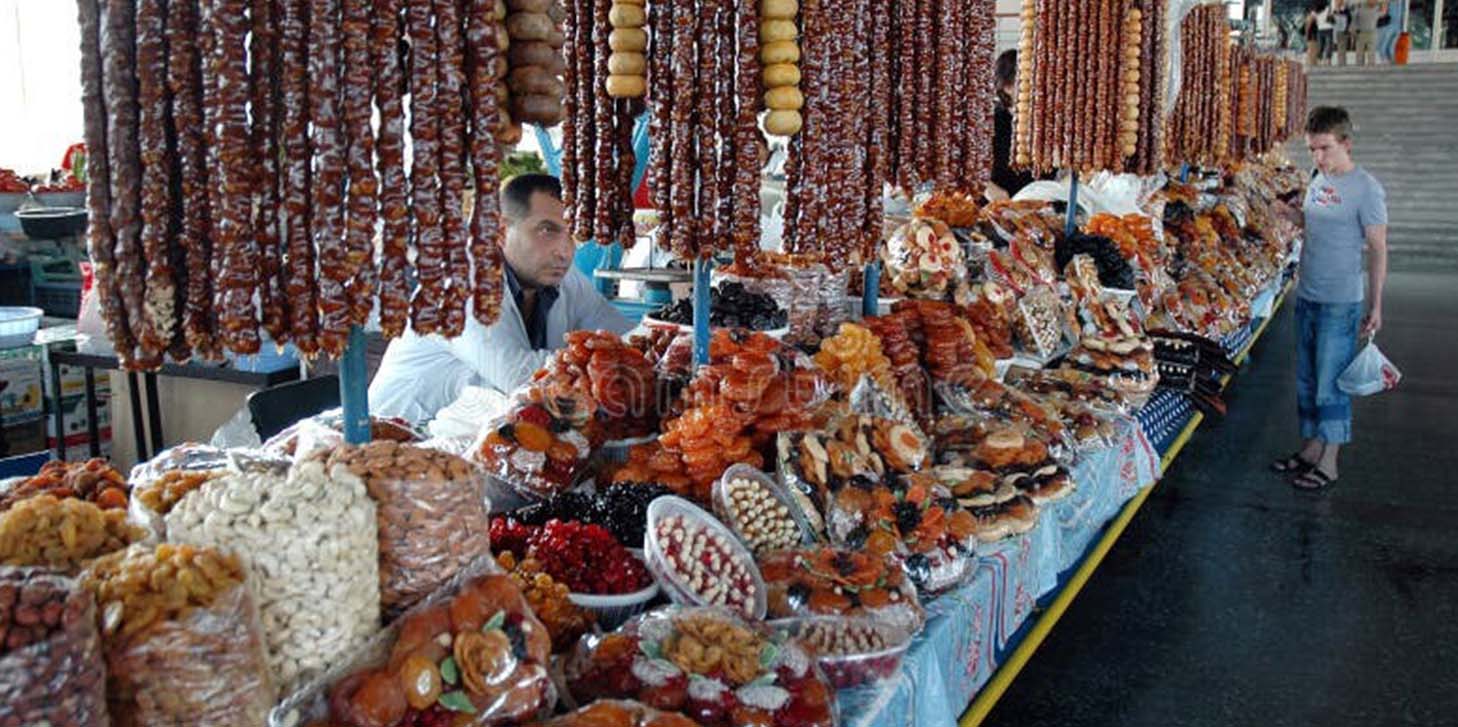
Stalls are filled with colorful displays of dried fruits, nuts, spices, cheeses, fresh herbs, and homemade preserves. Vendors often invite visitors to taste their products, creating a welcoming and interactive atmosphere.
The famous GUM Market in Yerevan is especially popular among travelers. Here visitors can sample traditional sweets, dried apricots, walnuts preserved in grape syrup, and various Armenian cheeses. Walking through the market offers insight into everyday Armenian food culture.
Markets also provide a glimpse into seasonal traditions. During autumn, pomegranates and grapes dominate the stalls, while summer markets are filled with apricots, peaches, and fresh vegetables.
Armenian Wine Culture
In addition to its cuisine, Armenia has one of the oldest wine traditions in the world. Archaeological discoveries have shown that wine production in the region dates back more than 6,000 years.
The Areni region in southern Armenia is considered the heart of the country’s wine culture. Vineyards here grow the indigenous Areni grape variety, which produces elegant red wines known for their bright acidity and complex flavors.
Many wineries in Armenia are small boutique operations where visitors can taste wines directly with the producers. These wineries often combine tastings with traditional Armenian dishes, allowing guests to enjoy wine in its natural culinary context.
Wine tourism has grown significantly in recent years, and many travelers now include vineyard visits as part of their journey through Armenia.
Brandy, Armenia’s Famous Spirit
Alongside wine, Armenia is also famous for its brandy. Armenian brandy gained international recognition during the late nineteenth and early twentieth centuries, particularly through production in Yerevan.
The spirit is made from Armenian grapes and aged in oak barrels, giving it a rich aroma and smooth taste. Over the years Armenian brandy has become one of the country’s most prestigious exports.
Visitors to Yerevan often take part in brandy tastings where they can learn about the distillation process and the different aging stages that create the spirit’s distinctive flavor.
Culinary Experiences for Travelers
Food lovers visiting Armenia often discover that gastronomy is closely connected with travel experiences across the country. Many travelers combine cultural sightseeing with culinary activities such as wine tastings, cooking workshops, and market visits.
Cooking classes are especially popular. Visitors can learn how to prepare traditional dishes like dolma or lavash while hearing stories about Armenian culinary traditions from local hosts.
These experiences offer travelers the opportunity not only to taste Armenian food but also to understand the traditions behind it.
Food Festivals and Local Celebrations
Throughout the year Armenia hosts several food and wine festivals that celebrate regional cuisine. These events attract both locals and travelers who want to experience the country’s culinary culture in a festive atmosphere.
One of the most famous events is the Areni Wine Festival, held each autumn in the village of Areni. During the festival visitors can taste wines from dozens of producers while enjoying traditional music, dancing, and Armenian dishes.
Another popular event is the Yerevan Wine Days, when the streets of the capital transform into a large open-air wine celebration featuring tastings, food stands, and live music.
These festivals highlight the growing interest in Armenian gastronomy and wine culture.
Exploring Armenian Cuisine Through Travel
Because food plays such an important role in Armenian culture, many travelers choose to explore the country through culinary tours and local experiences.
Some visitors prefer private tours in Yerevan, which allow them to discover the city’s food markets, traditional bakeries, wine bars, and restaurants with the help of local guides who know the best places to taste authentic dishes.
This approach provides a deeper understanding of Armenian gastronomy and often leads travelers to hidden places that they might not discover on their own.
A Culinary Destination Waiting to Be Discovered
Although Armenia is still emerging as an international tourism destination, its culinary traditions offer experiences that rival some of the world’s most famous food cultures. The combination of ancient recipes, fresh ingredients, wine heritage, and genuine hospitality creates a gastronomic journey that many travelers find unforgettable.
From tasting fresh lavash and barbecue in a village home to sampling wines in mountain vineyards and exploring bustling markets in Yerevan, Armenia invites visitors to experience its culture through flavor.
For food lovers, the country offers not only delicious dishes but also a deeper connection to the land, the people, and the traditions that have shaped Armenian cuisine for centuries.