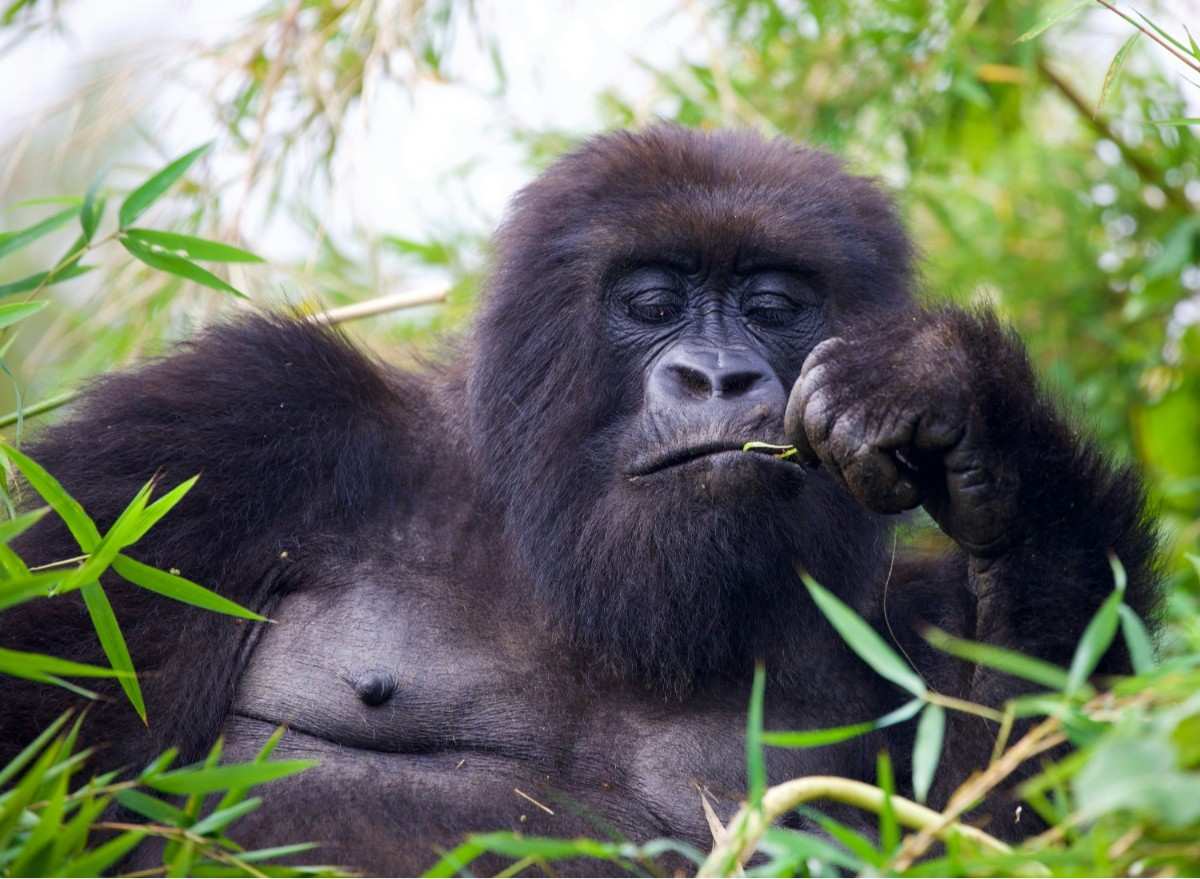
Gorilla trekking in Central Africa represents one of the world’s most extraordinary wildlife experiences. Two countries dominate this niche adventure: Rwanda and Uganda, each offering unique approaches to encountering these magnificent mountain gorillas in their natural habitat. This guide breaks down everything you need to know to choose the right destination and plan your expedition, including a closer look at Gorilla Trekking Rwanda has become famous for.
The Gorilla Trekking Basics
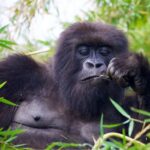
Mountain gorillas inhabit the Virunga Mountains, a volcanic range spanning the borders of Rwanda, Uganda, and the Democratic Republic of Congo. Approximately 1,000 mountain gorillas remain in the wild, making these encounters genuinely rare and heavily regulated. Both Rwanda and Uganda protect their gorilla populations through permit systems that limit visitors, fund conservation, and provide employment for local communities.
Rwanda: Volcanoes National Park Location and Access
Volcanoes National Park sits in northwestern Rwanda, just 2 hours by road from Kigali International Airport. The park encompasses 160 square kilometers of misty volcanic peaks and pristine forests, making it the most accessible destination for Gorilla trekking in Volcanoes National Park in the region.
Getting there is straightforward. Direct flights from major African hubs arrive in Kigali daily. From the airport, it’s a smooth drive to the park headquarters in Musanze town, where most trekking operations originate. The road infrastructure is excellent by Central African standards, with paved highways and reliable transportation options. Many visitors also look into car hire for self-drive in Rwanda, since the well-maintained roads between Kigali and Musanze make it one of the more feasible countries in the region for navigating independently, without relying solely on a private driver or tour operator.
Gorilla Trekking Experience
Rwanda maintains approximately 10 habituated gorilla families available for tourism. The Rwandan gorilla trekking experience typically involves:
- Early morning briefing at park headquarters (5:00-5:30 AM)
- Hike to meet your assigned family (1-4 hours depending on location)
- One hour with the gorillas once located
- Return trek to base (1-3 hours)
The park guides are exceptionally well-trained and knowledgeable. Rwanda has invested heavily in porter services, which substantially reduce physical strain porters typically carry your daypack and assist with difficult terrain.
Permit Costs
Rwanda’s gorilla permits cost $1,500 per person (as of 2024). Each permit grants one trek with one gorilla family. This represents the highest permit cost globally but includes considerable conservation value. Permits must be booked well in advance, typically 6-12 months for peak seasons.
Uganda: Bwindi Impenetrable National Park and Mgahinga Location and Access
Uganda offers gorilla trekking through two locations: Bwindi Impenetrable National Park and Mgahinga Gorilla National Park. Both sit in southwestern Uganda near the Rwanda border.
Bwindi, the larger destination, encompasses 331 square kilometers of dense forest. Access involves flying from Kampala (Uganda’s capital) to regional airports, then driving 8-10 hours to park entry points. Alternatively, budget travelers can bus from Kampala (20+ hours). Mgahinga, smaller and more remote, requires similar effort to reach.
Gorilla Trekking Experience
Uganda maintains approximately 16 habituated families split between:
- Bwindi Impenetrable: 13 families
- Mgahinga: 3 families
Ugandan treks follow a similar structure to Rwanda but with important distinctions. The forest is denser and more challenging. Hikes often take 4-8 hours, particularly at Bwindi. Physical stamina requirements are significantly higher. However, Uganda offers a more “wilderness” experience fewer visitors, more rugged terrain, and deeper immersion in untrammelled forest.
Porter services are available but less standardized than in Rwanda. The experience feels more adventurous and less polished, which appeals to certain travelers.
Permit Costs
Uganda’s gorilla permits cost $800 per person (non-residents). This represents nearly 53% less than Rwanda. Like Rwanda, permits are sought-after and should be booked months in advance during peak seasons. Uganda also offers slightly better availability due to more habituated families.
Physical Difficulty Comparison Rwanda (Volcanoes)
- Altitude: 2,200-4,507 meters
- Trek duration: 2-6 hours total
- Terrain: Volcanic slopes with good paths, some muddy sections
- Difficulty rating: Moderate
- Accessibility: Porter services make this accessible to most fitness levels
Rwanda’s volcanic terrain offers relatively stable footing. While steep in places, the paths are well-maintained. The high porter availability means even elderly visitors or those with limited mobility often successfully complete treks with assistance.
Uganda (Bwindi & Mgahinga)
- Altitude: 1,160-2,607 meters (Bwindi); 2,236-3,477 meters (Mgahinga)
- Trek duration: 3-9 hours total
- Terrain: Dense forest, muddy trails, steep hillsides, tangled vegetation
- Difficulty rating: Moderate to challenging
- Accessibility: Fewer porters, more rugged conditions
Bwindi’s dense forest presents navigation challenges. Trails are narrower, muddier, and less maintained. Stream crossings and steep descents are common. While altitude is lower than Rwanda, the terrain difficulty compensates. Mgahinga is slightly less demanding than Bwindi but still challenging.
For fit, experienced hikers, Uganda’s difficulty is welcome. For those with fitness concerns, Rwanda is substantially more accessible.
Best Seasons Rwanda
- Dry seasons: January-February and August-October
- Secondary rainy season: March-May
- Main rainy season: November-December
Rwanda’s dry seasons offer excellent trekking. January-February provides cold, clear mornings with minimal rain. August-October, though warmer, remains reliable. Expect 2-3 hours hiking in good conditions during dry seasons versus 4-6+ hours during wet periods.
Uganda
- Dry seasons: January-February and June-August
- Rainy seasons: March-May and September-December
Uganda follows similar patterns but with slightly different timing. June-August represents excellent conditions. January-February is acceptable but wetter than Rwanda’s equivalent period.
Both destinations are trekking-accessible year-round, unlike many African destinations. Even rainy seasons see treks completed daily. The difference is comfort and walking time, not possibility.
Logistics & Accommodation Rwanda
Musanze town hosts numerous lodges within 30 minutes of the park. Options range from budget ($40-60/night) to luxury ($500+/night). The town offers restaurants, shops, and reliable services. Many travelers base themselves here.
Accommodation options include:
- Budget: Basic guesthouses in Musanze
- Mid-range: Comfortable lodges like Sabyinyo Silverback Lodge ($150-300/night)
- Luxury: Five-star properties like Bisate Resort ($600+/night)
Public transportation to the park is readily available. Most visitors hire drivers (typically $50-80/day) for flexibility, though car hire for self-drive in Rwanda is an increasingly popular alternative for travelers who want full control over their itinerary. Rwanda’s well-signposted highways and generally low traffic outside Kigali make this one of the more approachable self-drive countries in East Africa, provided you’re comfortable with mountain roads and occasional fog near the park.
Uganda
Accommodation near Bwindi is more dispersed. Popular bases include Buhoma Community Campground, Rushaga, and Ruhija. Options are generally more basic than Rwanda, though luxury properties exist. Mid-range accommodations typically cost $100-200/night.
Transportation is more complicated. Driving from Kampala takes a full day or overnight. Many visitors fly to Kisoro or Kabale airports (still 2-3 hours away). This additional complexity adds cost and time.
Cost Breakdown Rwanda (Total per person)
- Gorilla permit: $1,500
- Accommodation (2 nights): $150-400
- Meals: $50-100
- Transport/guide: $100-150
- Total: $1,800-2,150
Uganda (Total per person)
- Gorilla permit: $700
- Accommodation (2-3 nights): $100-300
- Meals: $40-80
- Transport/guide: $100-200
- Internal flights (optional): $150-250
- Total: $1,090-1,530 (without flights); $1,240-1,780 (with flights)
Which Destination for Different Travelers Choose Rwanda if you:
- Have limited time (easier logistics = more efficiency)
- Prefer comfort and established infrastructure
- Have physical limitations or lower fitness levels
- Prefer a more guaranteed good experience
- Value high-quality porter services
- Want easier transportation from Kigali, whether by private driver or car hire for self-drive in Rwanda
Choose Uganda if you:
- Seek a more authentic, challenging adventure
- Have longer, flexible timelines
- Are physically fit and experienced hikers
- Prioritize budget over comfort
- Want fewer tourists and more wilderness
- Are adventurously inclined
- Enjoy the process as much as the destination
Final Recommendations
For most first-time gorilla trekkers, Rwanda offers the optimal balance of accessibility, infrastructure, and probability of excellent outcomes. The permit cost reflects genuine conservation value, and the streamlined logistics mean less stress. Yes, $1,500 is expensive, but you’re funding African conservation directly. For travelers planning Gorilla trekking in Volcanoes National Park, pairing the trek with a self-drive itinerary through Rwanda’s countryside is one of the easiest ways to extend the trip without adding much complexity.
Uganda suits experienced travelers, budget-conscious visitors, and those seeking deeper wilderness engagement. The permit savings can fund longer stays, additional safaris, or gorilla habituation experiences.
Both destinations genuinely deliver life-changing encounters with mountain gorillas. The gorillas themselves don’t differ between countries your choice should reflect your priorities, fitness level, budget, and travel philosophy. Either way, you’ll witness one of Earth’s rarest and most remarkable wildlife experiences, supporting conservation that literally saves a species from extinction.
Book early, train your fitness level in advance, pack adequate rain gear, and prepare for an adventure that will remain with you forever.